
Essential Fireplace Inspection Lawrence NY: 2026 Guide for Bay Park Residents
Most homeowners in Bay Park light their first fire of the season without giving the chimney a second thought. The fireplace worked fine last February, so it should be fine now. That assumption is exactly how avoidable house fires start and it is one of several things we see get people into serious trouble every winter along this stretch of Nassau County’s south shore.
A proper fireplace inspection Lawrence NY homeowners can rely on is not a formality. It is a safety check with real stakes, and the misconceptions surrounding it tend to cluster around the same few ideas. We want to address those directly, because clearing them up is the most useful thing we can do for any Bay Park family before they stack the first logs of the year.
A Bay Park Homeowner Who Almost Got It Wrong
Late last October, we got a call from a homeowner on one of the canal streets in Bay Park the kind of older colonial that was built in the late 1950s and has had the same clay-tile flue liner since the Carter administration. The family had used the fireplace every winter for years without any issues they could see. They were calling us not because anything was wrong, but because their homeowner’s insurance carrier had started asking for inspection documentation before renewing the policy. They were a little annoyed about it, honestly.
When our technician got up on the roof and ran a camera through the flue, two of the clay tiles near the smoke chamber had cracked through one was partially collapsed. Combustion gases, including carbon monoxide, had a clear path into the wall cavity. The family had been sitting in their living room all of last winter with that liner in that condition. Nobody had felt sick, but the risk was real and continuous. The insurance carrier, it turns out, was asking the right question.
We repaired the liner section, documented everything, and the family had their inspection record for the renewal. They also had a fireplace they could actually use safely. That outcome is what a fireplace inspection is supposed to produce not paperwork, safety.
What People Get Wrong, and Why It Matters Here
One of the most common things we hear is that an inspection is only necessary after a chimney fire or a visible problem. Homeowners in Woodmere and Hewlett tell us the same thing. The logic seems reasonable: if nothing looks broken, nothing is broken. But a significant portion of chimney defects liner cracks, deteriorating mortar joints, blockages from bird nests or debris produce no visible signal from inside the house. The fireplace draws fine, the smoke exits, and the family has no idea that combustion gases are migrating into a wall. The National Fire Protection Association (NFPA 211) recommends that chimneys, fireplaces, and vents be inspected at least once per year and cleaned as needed, regardless of how often the fireplace is used. That standard exists precisely because the absence of obvious symptoms is not the same as the absence of a hazard.
A related misconception is that a fireplace used only a few times each season doesn’t accumulate enough residue to warrant professional attention. Light use does mean less creosote, but creosote is only one concern. The bigger issue for low-use fireplaces in coastal communities like Atlantic Beach, Island Park, and Bay Park is moisture and the physical damage it causes. Salt-laden air accelerates mortar decay. The freeze-thaw cycles we get through a Nassau County winter sometimes multiple cycles in a single week open small cracks into larger ones. A fireplace you lit six times last year may have a flue liner that is significantly more compromised than it was twelve months ago, simply because of exposure. According to the Chimney Safety Institute of America (CSIA), chimney fires account for approximately 25,000 house fires annually in the United States, causing over $125 million in property damage. Many of those involve fireplaces that owners considered low risk.
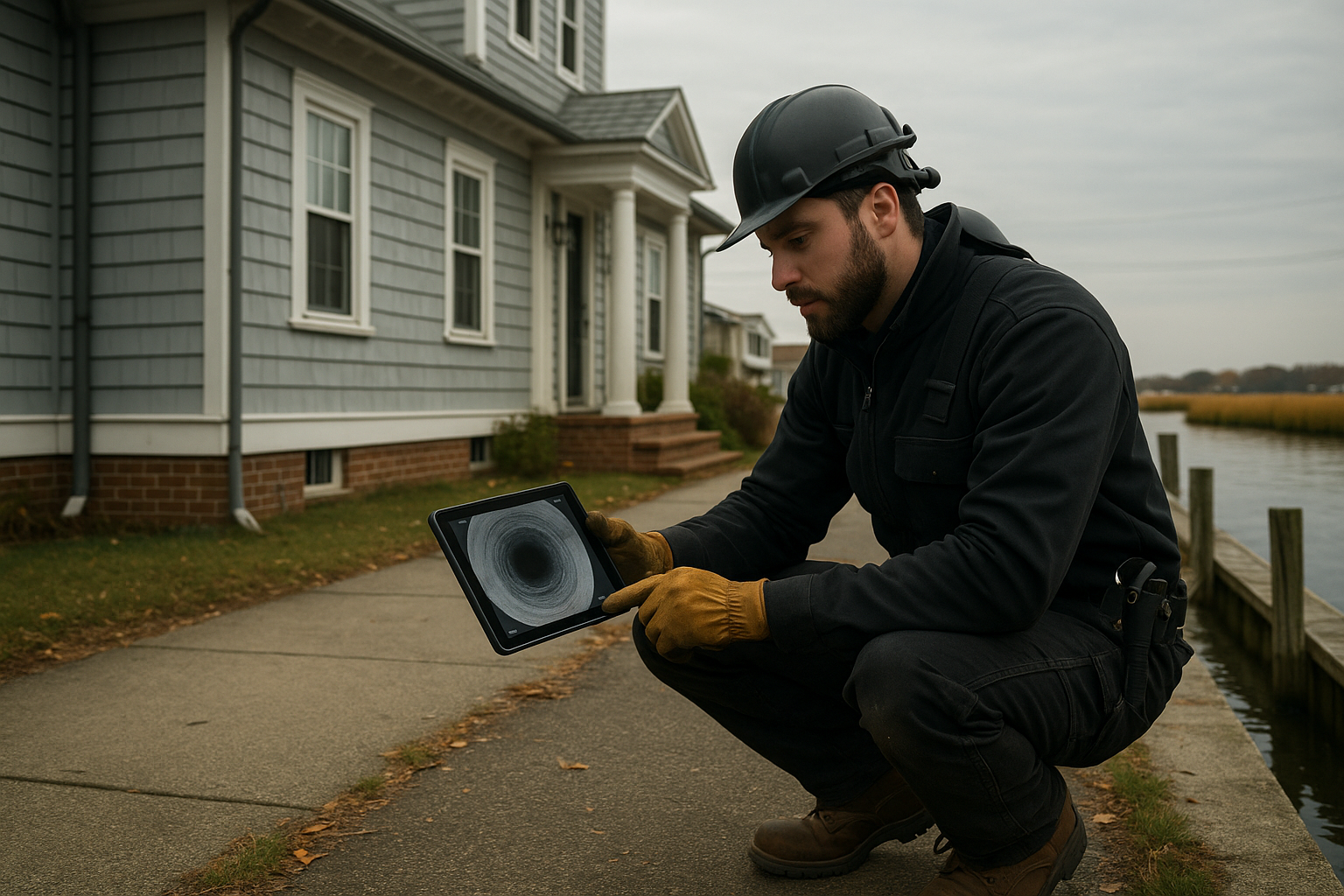
Another idea we push back on regularly is that a visual inspection from the firebox opening is adequate. Homeowners look up with a flashlight, see nothing obviously wrong, and consider the job done. A handheld flashlight aimed up a flue reveals almost nothing meaningful about the liner’s condition above the first few feet. A proper inspection uses a dedicated camera system that travels the full length of the flue, allowing our technicians to see liner cracks, joint separations, blockages, and deterioration at the smoke shelf and smoke chamber areas entirely invisible from below. This is what differentiates our chimney inspection service from a cursory visual sweep.
Some homeowners believe that because they burn only seasoned hardwood and use their fireplace carefully, creosote buildup is negligible and inspection can be skipped or stretched to every few years. Seasoned wood does burn cleaner than green wood, and that is genuinely good practice. But the CSIA notes that creosote accumulates in three stages, with third-degree glazed creosote requiring professional chemical treatment or flue replacement and even responsible fireplace users can develop second-degree deposits over a normal heating season. Beyond creosote, responsible wood choice has no effect on liner integrity, mortar condition, or cap and crown deterioration. Those are structural questions that only a physical inspection can answer.
Finally, there is a widespread belief that inspections are primarily about satisfying insurance companies or real estate transactions, not about day-to-day safety. We understand why this impression forms — inspection documentation does get requested during home sales in Cedarhurst and Long Beach, and insurers increasingly ask for it. But treating inspection as a paperwork exercise rather than a safety one is backwards. The documentation is useful because the inspection is useful, not the other way around. Carbon monoxide is odorless and colorless. A cracked liner can allow it into a living space without triggering any alarm the homeowner would notice. An annual inspection is the mechanism that catches that before it becomes a medical emergency.
What a 2026 Inspection Actually Costs in This Area
We are often asked whether an inspection is worth the expense. According to HomeAdvisor and Angi, a standard Level 1 chimney inspection averages $100 to $250 nationally, with costs in the New York metro area trending at or above that range given local labor rates. For most Bay Park homeowners, that is a fraction of one month’s heating bill — and it is far less than the cost of liner repair, smoke damage remediation, or the consequences of a chimney fire. If our inspection turns up issues, we will walk you through exactly what needs to be done and why, and we can handle everything from repointing to chimney cap replacement through our repair and waterproofing services.
Reach Out Before the Season Gets Away from You
We serve Bay Park and the surrounding communities from Inwood to Lido Beach and our schedule fills quickly once temperatures drop. If it has been more than a year since your last fireplace inspection, or if you have never had one done on the home you are in now, we would rather hear from you in October than in January. Use our website contact form to request a free estimate. It takes two minutes and could matter quite a lot.
Frequently Asked Questions About Fireplace Inspection in Lawrence NY and Bay Park
How often should I have a fireplace inspection done in Bay Park?
Once a year is the standard recommended by NFPA 211, and it applies regardless of how frequently you use the fireplace. Coastal conditions in Bay Park salt air, moisture, and freeze-thaw cycles can accelerate deterioration between seasons, so annual inspection is especially important here rather than a conservative suggestion.
What does a fireplace inspection actually check?
A thorough inspection covers the flue liner, smoke chamber, smoke shelf, firebox, damper, crown, cap, and visible exterior masonry. We use a camera system to examine the full length of the flue areas that are completely invisible from the firebox opening and that a flashlight check will miss entirely.
Is a fireplace inspection required by law in New York?
There is no New York State law mandating annual residential chimney inspections, but NFPA 211 establishes the professional standard of care, and many homeowner’s insurance policies now require documented inspection history. Some lenders and insurers in Nassau County are increasingly asking for this before binding or renewing coverage.
Can I schedule a fireplace inspection Lawrence NY technicians provide year-round, or only in fall?
We perform inspections throughout the year. Spring and summer appointments are often easier to schedule and allow more time to complete any recommended repairs before the heating season. Waiting until October is common, but it means competing with every other homeowner who had the same idea.
What is the difference between a Level 1 and Level 2 inspection?
A Level 1 inspection covers accessible portions of the chimney and is appropriate for a fireplace that has been used normally without any changes in fuel type or heating appliance. A Level 2 inspection is more comprehensive including video scanning and is required after any change to the system, after a chimney fire, or when buying or selling a home. We can help you determine which level applies to your situation.
How do I know if my chimney needs repair after an inspection?
After every inspection we provide a plain-language summary of what we found. If repairs are needed, we explain what the defect is, where it is, what the risk is, and what it will take to fix it. We do not use scare tactics we show you the camera footage and give you a written estimate so you can make an informed decision.
Related from Lawrence Chimney: Smart Chimney Sweep Inwood NY
Pingback: Smart Chimney Inspection Cedarhurst NY: 2026 Guide for Woodmere Residents – Lawrence Chimney
Pingback: Essential Chimney Inspection Hewlett NY: 2026 Guide for Lawrence Residents – Lawrence Chimney