
Smart Chimney Waterproofing Lawrence NY: 2026 Guide for Woodmere Residents
Your chimney stands up to a lot on the South Shore. Salt air drifting in off the Ocean, hard winters, and the constant freeze-thaw cycle that cracks masonry faster here than almost anywhere else in New York State. Before you call anyone or climb a ladder yourself, here is a quick picture of where most Woodmere homeowners stand with chimney waterproofing Lawrence NY work: some of it is genuinely within reach for a careful DIYer, some of it is not, and knowing the difference saves you money and keeps you safe.
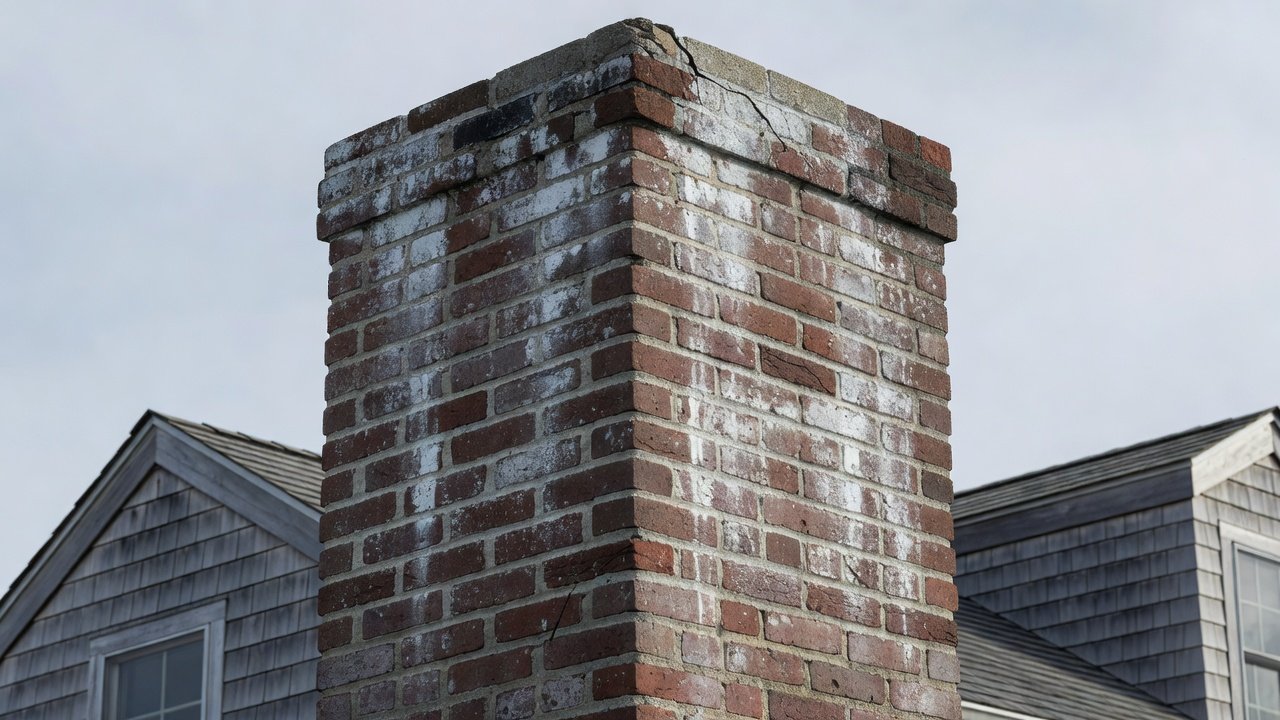
- Have you noticed white chalky staining on the brick? That is efflorescence, a sign water is already moving through.
- Did mortar joints crumble when you pressed them last fall? Freeze-thaw damage accelerates every season you wait.
- Is your chimney cap cracked or missing? Rain channels straight down the flue without one.
- Have you already had a waterproof sealer applied? Most sealers need reapplication every five to seven years.
If you checked two or more of those boxes, keep reading. This guide walks through what you can handle yourself, what genuinely requires a professional, and how to tell a qualified contractor from one who will create more problems than they fix.
A Real Situation from Down the Street
A homeowner in Woodmere called us last March after spotting brown water stains on the ceiling of a second-floor bedroom directly below the chimney. They had already bought a spray-on masonry sealer at a big-box store and applied it themselves the previous October, hoping to get ahead of winter. The product they used was a film-forming sealer, not a vapor-permeable one, and it had trapped moisture inside the brick. By spring the face of several courses had spalled off entirely. The fix required repointing, partial brick replacement, and then proper waterproofing treatment. What started as a $40 DIY project became a repair in the low thousands.
That is not an argument against doing anything yourself. It is an argument for knowing exactly where the line is.
What a Capable Homeowner Can Safely Handle
We will be direct: a few chimney waterproofing tasks are reasonable for a homeowner who is comfortable on a ladder and willing to follow product instructions carefully.
Applying a penetrating, vapor-permeable waterproofing sealer to an otherwise sound chimney is one of them. Products specifically formulated for masonry chimneys allow the structure to breathe while blocking liquid water. The work involves cleaning the surface, letting it dry fully, and applying two coats. If the brick and mortar are in good shape and you are not dealing with active leaks or existing damage, this is a legitimate DIY task.
Replacing a standard chimney cap is another. Most prefabricated caps for round or square flue tiles can be swapped out with basic tools. You can also clear debris from the top of the crown, inspect visible mortar joints from a ladder at the roofline, and clean efflorescence with a diluted cleaning solution before a sealer application.
Those are the honest limits. Once you move past surface-level maintenance, the work gets more complicated and the consequences of mistakes get more expensive.
Where You Need a Professional and Why
The National Fire Protection Association recommends that chimneys be inspected at least once a year and serviced as needed regardless of use frequency. That is not a sales pitch. It is a baseline that matters especially for older housing stock like the Cape Cods and colonials common throughout Woodmere, Hewlett, and Cedarhurst, where chimneys often date back 50 to 70 years.
Crown repair and rebuilding require materials mixed and applied correctly to cure without cracking. A crown that is too thin, sloped wrong, or made with standard mortar instead of a flexible crown mix will fail within a few winters. We see this regularly in homes along the Island Park and Long Beach corridors where wind-driven rain is relentless.
Flashing repair is another area where DIY attempts frequently backfire. Chimney flashing involves both step flashing woven into the roofing and counterflashing set into the masonry. Getting the overlap and sealing right requires familiarity with both roofing and masonry. A bad flashing repair can void a roofing warranty and allow water to run silently inside a wall cavity for years.
According to the Chimney Safety Institute of America, chimney fires account for approximately 25,000 house fires annually in the United States, causing over $125 million in property damage. Many of those fires start in chimneys that looked fine from the outside but had unseen deterioration inside the flue. A camera inspection alongside waterproofing work is not upselling. It is how you confirm the interior is sound before sealing moisture pathways from the outside.
For anything involving the flue liner, significant mortar joint repointing, or structural issues at the crown or stack, the tools required alone put the work out of reach for most homeowners: professional-grade scaffolding, masonry grinding equipment, and materials not sold at retail. Our chimney repair and repointing service covers all of this properly.
Choosing the Right Contractor: What to Ask and What to Watch For
This is where homeowners in Woodmere and neighboring communities like Inwood and Atlantic Beach tend to get burned, sometimes literally. Chimney waterproofing attracts a lot of opportunistic contractors after every bad storm season, and not all of them know masonry.
Ask specifically whether the contractor is CSIA-certified. The Chimney Safety Institute of America credential requires demonstrated knowledge of chimney systems, fire codes, and waterproofing methods. It is not a guarantee of quality, but its absence is a flag worth noting.
Ask what product they use for waterproofing and why. A contractor who cannot name the brand or explain why they chose a vapor-permeable formula over a film-forming one has probably not thought carefully about your specific situation. The wrong sealer, as our Woodmere client learned, can cause more damage than no sealer at all.
Ask for a written scope of work before anything starts. Vague proposals like “waterproof chimney, repair as needed” leave too much open. You want to know exactly what surfaces are being treated, what prep work is included, and what warranty, if any, applies to materials and labor.
Red flags to take seriously: a contractor who wants full payment upfront, one who cannot provide proof of liability insurance, one who shows up door-to-door after a storm saying they “noticed your chimney from the street,” and anyone who recommends full chimney reconstruction without first completing a documented inspection. Our chimney inspection service uses camera equipment to show you exactly what is happening inside the flue before any recommendation is made.
HomeAdvisor and Angi report that chimney waterproofing and sealing work nationally averages between $150 and $400 depending on chimney size and condition. In Nassau County, expect costs toward the higher end of that range given labor rates and the additional prep often required on older coastal masonry. A quote significantly below that range for a full-service waterproofing job deserves scrutiny.
The Concrete Risk of Getting It Wrong
Water is the number one enemy of masonry chimneys on Long Island, more damaging over time than heat or even fire. Spalled brick, failed crowns, and compromised flashing all allow water to reach the smoke chamber, the firebox, and eventually the framing and interior walls of the house. The repairs compound. A few hundred dollars of preventive waterproofing work done correctly can prevent repair bills measured in thousands.
For homes in communities like Hewlett Harbor or Woodsburgh where chimneys are often original to houses built decades ago, the masonry has already absorbed years of salt air and freeze-thaw stress. Getting a professional assessment before applying any sealer, DIY or otherwise, is simply the lower-risk path.
If you want an honest look at your chimney before deciding what to do yourself and what to hand off, reach out to us through the contact form on our website. We work throughout Woodmere and the surrounding Nassau County communities and are happy to walk through the condition of your chimney with you before any work is scheduled.
Frequently Asked Questions About Chimney Waterproofing in Woodmere and Lawrence NY
How often does a chimney need to be waterproofed on Long Island?
Most penetrating masonry sealers are rated for five to ten years, but on the South Shore we recommend checking every five years. Salt air and repeated freeze-thaw cycles accelerate the breakdown of sealers here faster than in inland areas. If you see new efflorescence or notice mortar softening, do not wait for the five-year mark.
Can I waterproof my chimney myself, or does it always need a professional?
Applying a vapor-permeable penetrating sealer to a structurally sound chimney is a reasonable DIY task if you are comfortable on a roof and follow the product instructions carefully. What is not DIY-appropriate: crown repair, flashing work, repointing, or any work that requires assessing the interior of the flue. Those tasks carry real safety and structural consequences if done incorrectly.
What is the difference between a waterproofing sealer and a regular paint or coating?
Standard masonry paint and film-forming coatings sit on the surface and block moisture from moving in or out. Vapor-permeable waterproofing sealers designed for chimneys penetrate the masonry and repel liquid water while still allowing water vapor to escape. Trapping moisture inside the brick accelerates spalling, especially during freeze-thaw cycles. Using the wrong product is a common and costly mistake.
How do I know if my chimney has existing water damage before waterproofing?
Look for white efflorescence on the brick exterior, staining on interior ceilings or walls near the chimney, crumbling or recessed mortar joints, and cracks in the crown at the top of the stack. Any of these signs mean water has already penetrated. Waterproofing over existing damage without addressing the underlying problem traps moisture inside and worsens deterioration. A camera inspection can confirm the interior condition of the flue.
What credentials should a chimney waterproofing contractor have in New York?
Look for CSIA certification, which indicates formal training in chimney systems and waterproofing methods. Contractors should also carry liability insurance and be able to provide a written scope of work. In New York, chimney repair work that connects to structural components may also fall under contractor licensing requirements. Ask before hiring.
Does homeowners insurance cover chimney water damage in Nassau County?
Typically, homeowners insurance covers chimney damage caused by a sudden, accidental event such as a storm or lightning strike, but excludes damage from gradual deterioration or lack of maintenance. That distinction makes annual inspections genuinely important, not just for safety but for maintaining your eligibility to file a valid claim if something does go wrong.
Related from Lawrence Chimney: Chimney Sweep in Lawrence, NY