
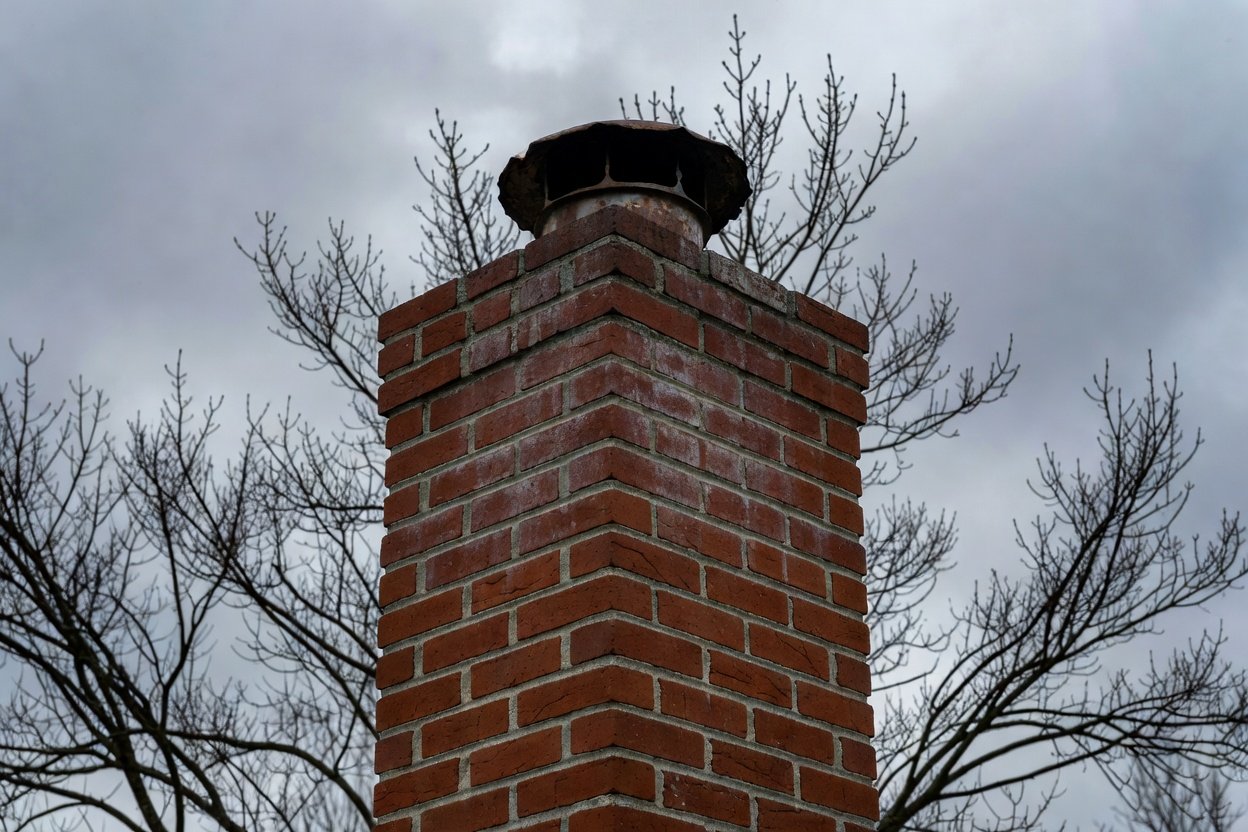
Your Chimney Is Telling You Something: chimney sweep near me Lawrence — 2026 Guide for Woodsburgh Residents
Most chimney problems don’t announce themselves dramatically. They build quietly, season after season, until a homeowner in Woodsburgh lights the first fire of November and something is clearly, unmistakably wrong. By that point, a simple cleaning has often become a repair job. We’ve seen it enough times that we wrote this down so you don’t have to learn it the way others have.
If you’ve been searching for a chimney sweep near me Lawrence, this guide is worth reading before you pick up the phone or before you skip the call entirely, which is the more common and more costly mistake.
A Woodsburgh Home, One Cold January
Last January, a homeowner on one of Woodsburgh’s quiet residential streets called us after noticing a faint but persistent smoky smell in the upstairs hallway not just near the fireplace, but spreading through the house. They’d used the fireplace a handful of times that winter, figured everything was fine because there was no visible problem, and had skipped the annual inspection the previous fall. When our technicians arrived, we found a heavy third-degree creosote deposit coating the upper flue and a partially blocked damper that was pushing combustion gases back into the living space instead of up and out. The flue liner had also developed a stress crack, almost certainly from a minor chimney fire the homeowner never knew had occurred. Catching it in October would have meant a cleaning and a small repair. By January, it meant a liner repair, a full sweep, and a week without using the fireplace during some of the coldest weather we’d seen in Nassau County in years.
That story isn’t unusual. What follows are the specific signs that would have gotten us there sooner.
Warning Signs That Mean You Need a Chimney Sweep Now
1. Smoke Backing Into the Room When You Light a Fire
This is the most immediate sign that something is wrong. A properly functioning chimney draws combustion gases upward and out. When smoke rolls back into your living room, it points to a blockage — debris, a closed or stuck damper, a bird’s nest, or a severe creosote buildup narrowing the flue. Do not keep lighting fires while this is happening. Call a pro now. Carbon monoxide enters the room the same way smoke does, and it doesn’t give you visual warning.
2. A Strong, Oily or Tar-Like Smell — Even in Summer
Creosote has a distinctive odor, somewhere between asphalt and woodsmoke, and when temperatures and humidity rise which, they do every summer along the South Shore from Long Beach to Atlantic Beach it activates. If your fireplace smells like this in July when it hasn’t been used in months, you likely have a significant creosote deposit that survived the previous season uncleaned. The CSIA notes that creosote accumulates in three stages, with third-degree glazed creosote requiring professional chemical treatment or flue replacement. That’s not a keep-an-eye-on-it situation.
3. Black, Flaky Debris Falling into the Firebox
Open the damper and look up with a flashlight. If you see or have been finding black flakes, chunks of sooty material, or small pieces of tile-like debris falling into the firebox, that is creosote or deteriorating flue liner material. Liner fragments are a particular concern. A cracked liner allows heat and combustion gases to reach the surrounding framing. This is a call-us-today finding, not something to monitor.
4. White Staining on the Exterior Brick (Efflorescence)
That chalky white residue on the outside of a chimney is efflorescence mineral salts being pushed outward by water moving through the masonry. Our coastal climate doesn’t help: homes in Hewlett, Lido Beach, and across Woodsburgh all deal with salt-laden air and relentless freeze-thaw cycles that accelerate water infiltration. Efflorescence by itself won’t cause a chimney fire, but it’s telling you that water is already inside the masonry. Left alone, it will crack mortar joints, spall bricks, and eventually compromise the structure. Schedule an inspection and talk to us about waterproofing. Don’t wait for visible crumbling.
5. A Rumbling or Cracking Sound During a Fire
This one scares people, and it should get your attention. A low rumble, a sharp crack, or a sound like something shifting inside the chimney during a burn can indicate a chimney fire already in progress or a flue liner fracturing under thermal stress. The National Fire Protection Association (NFPA 211) recommends that chimneys, fireplaces, and vents be inspected at least once per year and cleaned as needed, regardless of how often the fireplace is used. If you hear something structural while the fire is burning, put it out safely and call before you use the fireplace again.
6. Rust on the Damper or Firebox Components
Rust means moisture has been getting in somewhere it shouldn’t through a missing or damaged chimney cap, deteriorated flashing, or cracked crown mortar. A rusting damper is also a damper that may not seal properly when the fireplace isn’t in use, which costs you on heating bills every winter. This is a keep-an-eye-on-it only if the rust is very minor and recent; if the damper is stiff, stuck, or visibly pitted, it needs to be serviced now. Our chimney inspection service includes a full damper assessment.
7. Visible Mortar Gaps or Spalling Bricks on the Chimney Exterior
Walk around the outside of your house and actually look at the chimney. If mortar joints are recessed, crumbling, or missing sections especially near the roofline or chimney crown water is already at work. Homes in Inwood and North Woodmere that we’ve worked on often show this kind of damage within five to eight years of the last pointing job if the crown wasn’t sealed properly. Gaps this visible are past the monitoring stage; they need repointing before the next freeze cycle opens them further.
8. Animals or Insects Inside the Flue
Scratching sounds, chirping, or the smell of something deceased coming from the fireplace all point to an uncapped or damaged flue. Starlings nest in open flues and can restrict airflow enough to cause dangerous backdrafts. Raccoons can dislodge liner sections. If you’re hearing activity up there, don’t light a fire. We’ll remove the obstruction, assess any damage, and fit a proper chimney cap to keep them out going forward. This is a call-now item.
The Mistake Most Homeowners Make
The single most common mistake we see especially in established neighborhoods like Woodsburgh, where homes are well-maintained and owners take pride in their properties is assuming that infrequent use means infrequent service. “We only use it a few times a year” is something we hear constantly. But creosote deposits from even a handful of fires can meet the threshold for a hazardous buildup, and structural deterioration from moisture doesn’t care whether you’ve been burning wood or not. According to the Chimney Safety Institute of America (CSIA), chimney fires account for approximately 25,000 house fires annually in the United States, causing over $125 million in property damage. Most of those fires involve chimneys that hadn’t been inspected or cleaned in multiple seasons.
The other mistake is waiting for a dramatic sign. By the time you see flames or smell carbon monoxide, the chimney has already failed. The signs above are the early warnings, and every one of them is observable before anything catastrophic happens.
What a Professional Sweep Actually Costs in 2026
We know cost is a real consideration. HomeAdvisor/Angi reports that the national average chimney sweep runs between $150 and $350, with a standard Level 1 inspection averaging $100 to $250. In Nassau County, costs are generally at or above that range given local labor and fuel costs, but the range is still reasonable against what deferred maintenance actually ends up costing. The Woodsburgh homeowner in our opening story paid several times the cost of a standard sweep by the time the liner repair was complete. We’re not saying that to frighten anyone; we’re saying it because it’s the honest math.
Talk to Us Before the Season Gets Away from You
If you’ve spotted any of the warning signs above or if you simply can’t remember the last time a professional looked at your flue reach out through our website, contact form. We serve Woodsburgh, Cedarhurst, Hewlett Harbor, Island Park, and the surrounding communities across Nassau County, and we’d rather give you a straightforward answer about what your chimney actually needs than have you find out in a harder way. Request your free estimate through our contact page and we’ll get back to you promptly.
Frequently Asked Questions: Chimney Sweep Near Me Lawrence
How do I know if my chimney needs sweeping if I’ve only used the fireplace two or three times?
Frequency of use is only one factor. Even a few fires can leave enough creosote to warrant cleaning, and moisture damage to mortar, flashing, and the flue liner happens year-round regardless of use. NFPA 211 recommends at least one annual inspection for all chimneys. If it’s been more than a year since anyone looked at yours, schedule a cleaning and Level 1 inspection regardless of how many fires you’ve had.
Is efflorescence on my chimney an emergency?
Not an emergency in the way a blocked flue is, but it’s not cosmetic either. It means water is actively moving through your masonry. Left alone through another winter of freeze-thaw cycles which Nassau County delivers reliably it will accelerate brick spalling and mortar failure. Have it looked at within the season, not in a year or two.
Can I use my fireplace while I wait for a chimney sweep appointment?
It depends on what you’re seeing. Minor odor with no other symptoms: use with caution and limit burn time. Smoke backing into the room, debris falling into the firebox, strange sounds during a fire, or any sign of animal activity: stop using it entirely until a technician has checked the flue. The risk isn’t worth the warmth.
Why does my chimney smell worse in summer than in winter?
Heat and humidity draw out the volatile compounds in creosote deposits, intensifying the odor. It’s actually a useful early warning if your fireplace smells strongly in warm weather, it’s telling you that a cleaning is overdue before the next burning season starts. The smell itself isn’t dangerous, but what’s causing it is.
How often should Woodsburgh homeowners schedule a chimney sweep?
Once per year is the baseline recommended by both NFPA 211 and the CSIA. If you’re burning more than two or three cords of wood per season, or if you burn green or unseasoned wood, you may need cleaning more frequently. Our technicians can advise you based on what we find during the inspection.
What’s the difference between a chimney sweep and a chimney inspection — do I need both?
A sweep removes deposits and debris. An inspection evaluates the structural condition of the flue, liner, crown, flashing, and exterior masonry. They’re complementary, not interchangeable. We typically perform both together a cleaning can reveal damage that wouldn’t be visible through a dirty flue but an inspection alone is a valid first step if you’re unsure whether cleaning is needed.
Related from Lawrence Chimney: Chimney Inspection in Lawrence, NY · Chimney Repair in Lawrence, NY — Fix It Before Winter Finds the Crack